
A sophisticated phishing campaign targeting hotel staff has been uncovered, leveraging fake Booking.com emails and deceptive CAPTCHA websites to infiltrate hotel systems and potentially access customer data.
The attack, reported by ThreatDown researchers demonstrates an evolving threat landscape in the hospitality sector.
Anatomy of the Attack
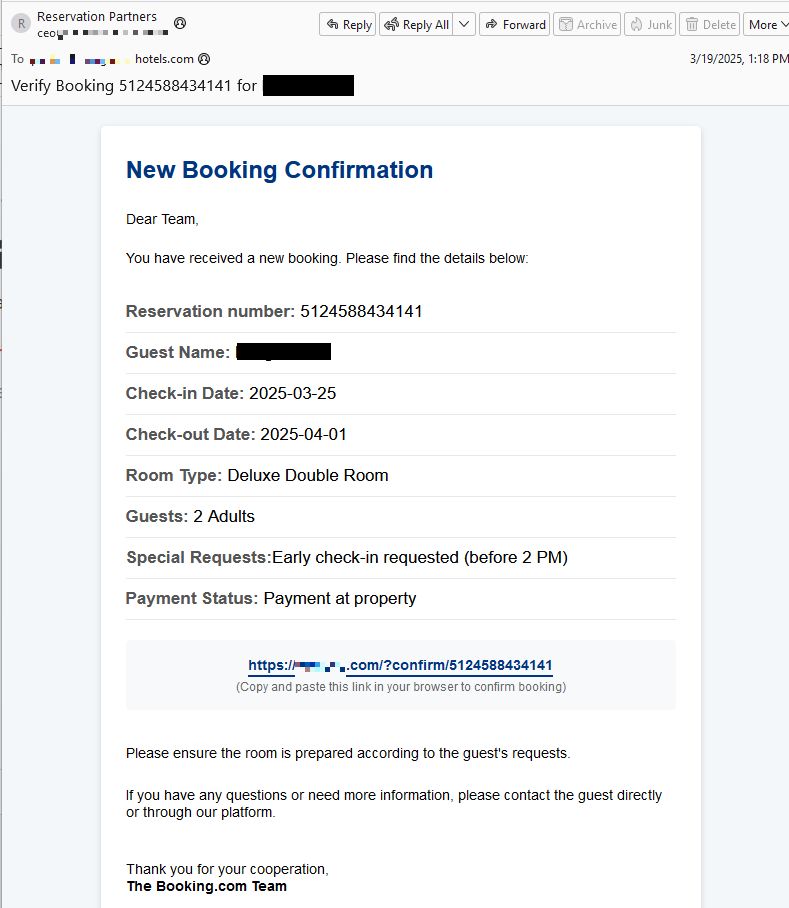
The cybercriminals initiate the attack by sending a fraudulent Booking.com email to hotel email addresses, requesting confirmation of a purported reservation.
The email contains a malicious URL, which the recipient is instructed to copy and paste into their browser.
Upon doing so, the victim is presented with a fake CAPTCHA website, a tactic recently observed in other phishing campaigns.

After interacting with the CAPTCHA, the user is provided with a set of “verification steps” that, when followed, result in the execution of an mshta command in the Windows Run prompt.
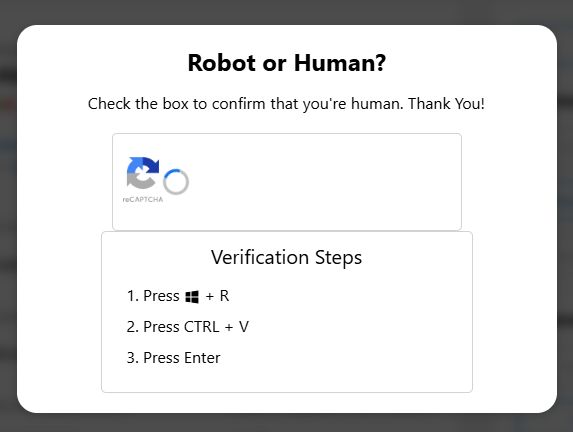
According to the Report, this action fetches and runs a remote file on the victim’s system, effectively compromising it with an information stealer or Trojan.
Potential Consequences and Motives
While the exact intentions of the threat actors remain unclear, security experts speculate that the primary objective is to gain access to customer payment details and personal information.
Such data is highly valuable on dark web marketplaces and can be exploited for various malicious purposes.
The attack’s timing is particularly insidious, with the fake reservation dates set only a few days from the email’s arrival, creating a sense of urgency that may compel hotel staff to act hastily.
To counter such threats, cybersecurity experts recommend several protective measures for both businesses and individuals:
- Implement robust email filtering systems to detect and quarantine phishing attempts.
- Conduct regular security awareness training for staff, emphasizing the identification of phishing emails and the dangers of executing unknown commands.
- Employ endpoint protection solutions capable of detecting and blocking malicious scripts and remote file executions.
- Utilize two-factor authentication (2FA) for all critical systems, preferably using FIDO2-compliant hardware keys for enhanced security.
For individuals concerned about their personal data, experts advise against storing payment information on websites or browsers, regularly monitoring accounts for suspicious activities, and using unique, strong passwords for each online account.
As the hospitality industry continues to be a prime target for cybercriminals, it is crucial for hotels to fortify their digital defenses and educate their staff about evolving cyber threats.
This incident serves as a stark reminder of the ongoing need for vigilance and robust cybersecurity practices in an increasingly interconnected digital landscape.
Find this Story Interesting! Follow us on LinkedIn, and X to Get More Instant Updates

.webp?fit=1068,580&ssl=1&description=A sophisticated phishing campaign targeting hotel staff has been uncovered, leveraging fake Booking.com emails.)