


%20(1)%20(1).webp?w=1600&fit=1600,900&ssl=1 "Adblock Filter Flaw Can Reveal User Location Even When Using a VPN")
In a stark reminder that online anonymity is never absolute, a new browser fingerprinting technique called “Adbleed” exposes VPN users’ locations by analyzing their adblocker settings.
Researchers at Melvin.ovh revealed this flaw, showing how country-specific filter lists turn a popular privacy tool into a tracking beacon.
Even with a VPN hiding your IP address and encrypting traffic, your browser’s adblock configuration can pinpoint your real-world location.
Adblockers like uBlock Origin, Brave, and AdBlock Plus rely on filter lists to zap unwanted ads. The core EasyList packs over 54,000 rules for English ads and global networks.
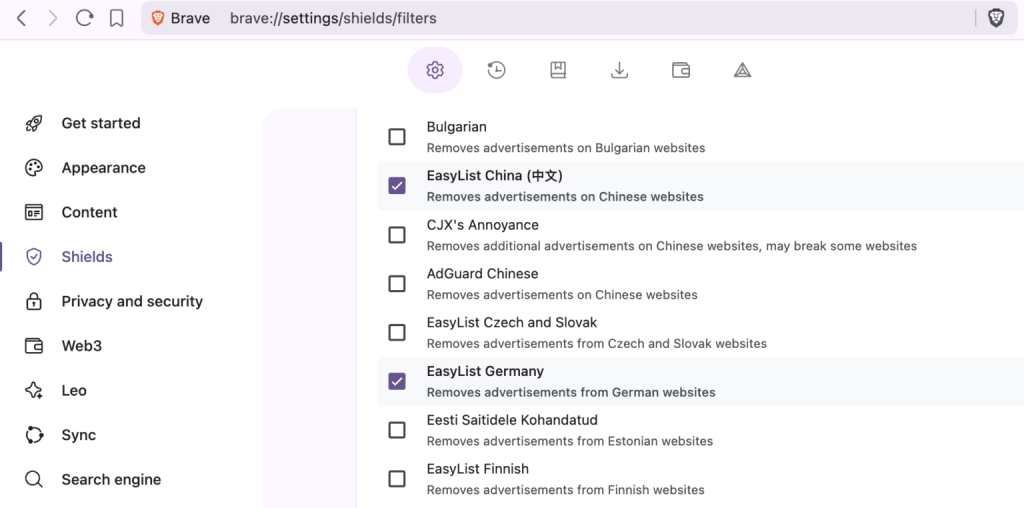
But savvy users layer on regional lists tailored to local advertisers. German folks enable EasyList Germany to block domains like adnx.de; French users activate Liste FR for ad6.fr; and similar lists exist for Italy, Spain, Brazil, Russia, China, and Japan.
These lists often auto-activate based on your browser’s language or locale settings, making setup effortless. The problem? They create a unique signature that attackers can probe.

Adbleed exploits timing differences in request handling. When your adblocker blocks a domain, it kills the request instantly under 5 milliseconds, triggering a quick error.
Unblocked requests, even to nonexistent domains, hit the network and take 50-500 milliseconds due to DNS lookups and timeouts.
The attack uses a lightweight JavaScript snippet that tests 30 domains unique to each country’s filter list, like obscure ad servers only blocked regionally.
If 20+ fail in under 30ms, the script flags that list as active. It’s all client-side, no cookies, permissions, or server calls needed. VPNs, Tor, and proxies can’t stop it because they don’t touch your browser config.
Combine this with standard fingerprinting like timezone, keyboard layout, screen resolution, or fonts, and attackers narrow your identity from millions to thousands.
“Your AdBlock rules stay constant no matter which VPN server you pick,” notes the AdBlock report.
Real-world tests confirm high accuracy: 95%+ for major countries. The demo site (melvin.ovh/adbleed) lets anyone check their exposure instantly.
Mitigation Steps
Users face tough choices. Disable regional lists to evade detection, but expect more local ads slipping through.
Randomize lists across countries for noise, though this risks over-blocking legit content. Ditch adblockers? That invites tracking cookies and behavioral ads.
For developers, smarter rules could help: apply country filters only to matching first-party domains, not globally. Browsers might randomize or obfuscate block timings, too.
Adbleed underscores a key truth: privacy tools interact in unpredictable ways. VPNs mask networks, but browser habits leak details.
Stay vigilant: audit extensions, tweak locales manually, and test your fingerprint at sites like amiunique.org.
Until patches arrive, your AdBlock setup is a digital fingerprint. Anonymity demands holistic defense.
Follow us on Google News , LinkedIn and X to Get More Instant Updates. Set Cyberpress as a Preferred Source in Google.



%20(1)%20(1).webp?fit=1600,900&ssl=1&description=Researchers%20at%20Melvin.ovh%20revealed%20this%20flaw,%20showing%20how%20country-specific%20filter%20lists%20turn%20a%20popular%20privacy%20tool%20into%20a%20tracking%20beacon.)